
Open-Book Exam Source Sheet and Citation Map Study Plan
Build an open-book exam source sheet that supports retrieval, citation integrity, accessibility, and privacy without copying the whole course.

Open-Book Exam Source Sheet and Citation Map Study Plan
An open-book source sheet is a navigation aid for material the instructor permits during an assessment. It should help a student locate a rule, example, or citation efficiently without attempting to replace understanding. The current course instructions determine what may be included and how it may be used.
Quick decision table
| Situation | Do this first | Avoid this |
|---|---|---|
| You have ten minutes | Make one visible baseline check and write down the next action | Buying a product before knowing the failure point |
| A safety rule is unclear | Use the conservative option and keep exits, cords, water, privacy, or citations clean | Guessing because the setup looks ordinary |
| Someone else uses the space | Leave a short plain-language note and remove confusing labels | Building a routine only you understand |
| The routine fails twice | Simplify the setup and decide who owns the next check | Adding more reminders to a broken process |
Why this matters now
Open-book exams can still require substantial retrieval and reasoning. Time spent searching weakens the time available to compare evidence, calculate, or write. A compact map should therefore expose the course structure, common question types, and exact source locations without copying the entire set of notes.

Start with the exam rules, not the sheet
Copy the instructor’s permitted-material statement into a private planning note and resolve ambiguous terms before designing anything. “Open book” may allow one printed textbook but prohibit personal notes, searchable files, communication tools, or shared documents. Another course may permit a specified number of handwritten pages. Record the format, page limit, whether annotations are allowed, and whether digital search is permitted. If the written directions and a verbal explanation conflict, ask for clarification in writing rather than choosing the interpretation that is most convenient.
Build a map around likely reasoning tasks
List the course objectives, recurring problem types, and distinctions emphasized in feedback. Give each one a short source key and a precise location, such as a chapter section, statute heading, equation page, or lecture module. The entry should tell you where to verify a principle, not provide a prepared answer. A useful line might contain “sampling bias — methods text, section 4.2 — check definition and counterexample.” That is faster and safer than copying a page of prose.
Use consistent citation keys
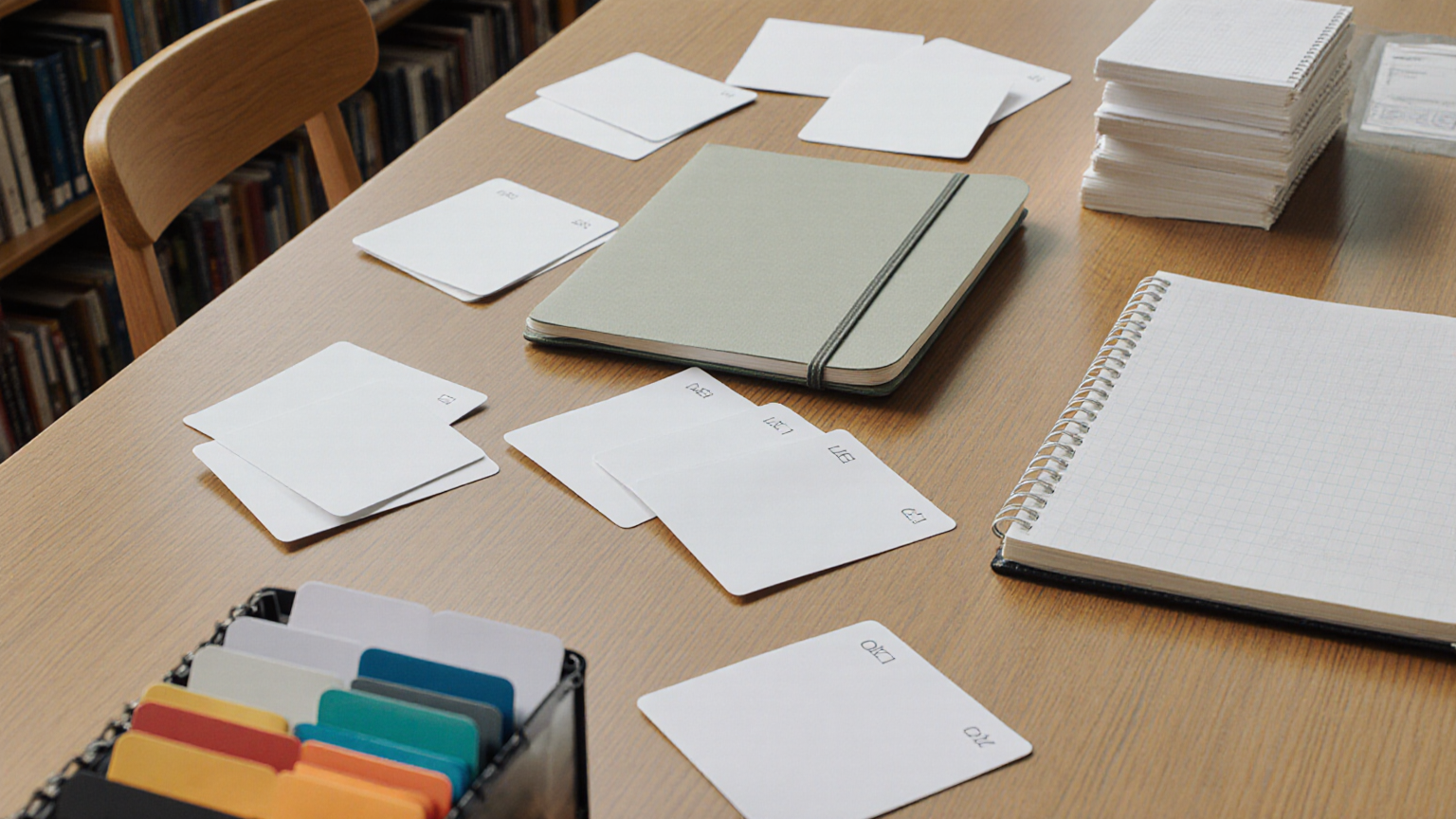
Assign each permitted source a short label that cannot be confused with another source. Add page ranges or section names in the same format throughout the sheet. Color can separate source types, but meaning should not depend on color alone. Keep quotations short and clearly marked. When a passage has a qualification, include the qualifier beside the pointer so a quick lookup does not turn a limited claim into a universal rule.
A two-column layout works for many courses: the left column names the concept or decision, and the right column gives the source key, location, and one retrieval cue. A third column can hold common confusion points. Avoid shrinking text until it is difficult to read under time pressure; a smaller set of high-value routes is usually better than an exhaustive miniature index.

Rehearse lookup without copying the answer
Choose a representative practice prompt supplied or authorized by the course. Identify the governing concept, locate the relevant source, close the material, and outline the reasoning. Time each stage separately. A slow concept choice requires more practice distinguishing problem types; a slow lookup suggests that keys or page references need revision. If the reasoning fails after the source is closed, study the concept rather than adding more text to the sheet.
Do not use recalled exam questions, another student’s materials, restricted test banks, or course files uploaded to an unapproved service. The rehearsal should use permitted practice material and the same tools expected on exam day.
Perform a compliance and usability check
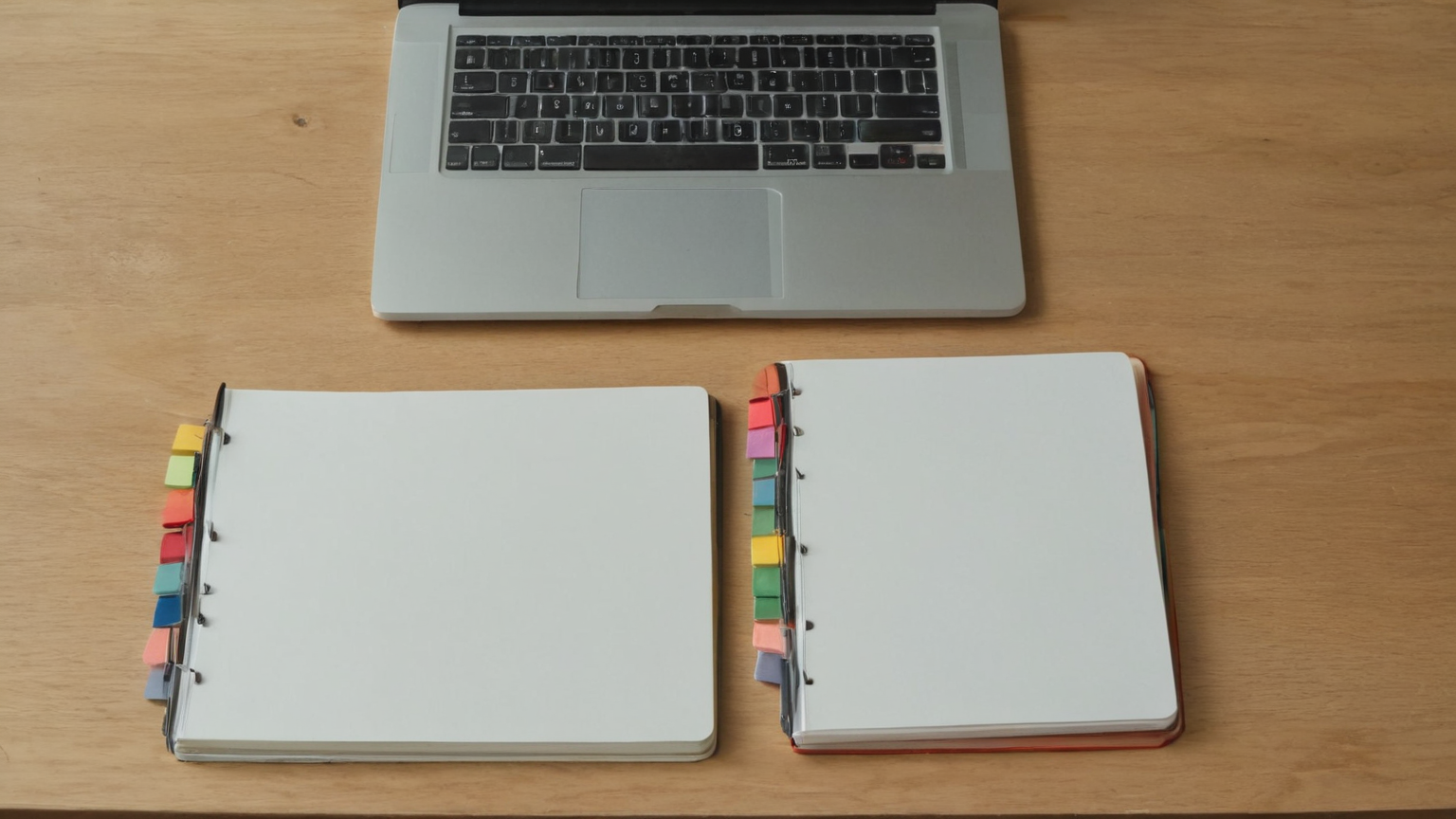
Before the exam, verify the current instructions again and compare every item on the sheet with them. Remove unauthorized content, broken references, unexplained abbreviations, and entries that no longer match the source edition. Print or export in the required format early enough to catch page scaling, clipped margins, or unreadable type. If a digital document is permitted, test it in the allowed application and device state without assuming internet access.
Troubleshoot by failure type
| Failure during rehearsal | What it indicates | Targeted correction |
|---|---|---|
| You cannot choose a source | Concept discrimination is weak | Practice sorting prompts by principle before lookup |
| The source key is ambiguous | Labels are too similar | Use distinct abbreviations and include edition or module |
| The location is wrong | Notes drifted after an update | Recheck every page and section against the permitted copy |
| Lookup is fast but reasoning fails | The sheet is replacing study | Close the source and practice explaining the rule from memory |
| The sheet exceeds the limit | Too much copied detail | Keep only high-value routes and confusion cues |
| A tool’s status is unclear | The exam policy is incomplete | Ask the instructor before relying on the tool |
For open-book exams, the source sheet should point you back to evidence; it should not become a hidden answer bank. Use instructor rules first. If generative tools, shared notes, screenshots, or copied textbook pages are restricted, do not include them. A good citation map has short source labels, page or module pointers, and one reason each source matters. During review, practice retrieving the idea before checking the source so the sheet supports learning rather than replacing it.
Design the sheet around retrieval routes
Divide the sheet into four zones: concepts, procedures, evidence locations, and citation details. Concepts contain short distinctions or formulas, not copied paragraphs. Procedures contain ordered steps and conditions for choosing one method over another. Evidence locations point to a page, module, table, case, or statute permitted by the exam rules. Citation details hold only the information the required style expects. This layout reduces the need to scan unrelated notes under time pressure.
Use stable keys across the sheet and the source material. A key such as M3-P4 can mean module three, principle four; TX-142 can point to a textbook page. The key is useful only if it is unambiguous and the source will be available during the exam. For a digital open-book assessment, confirm whether local files, browser search, bookmarks, or external websites are allowed. For paper materials, check page limits, annotation rules, and whether tabs are permitted. The instructor’s current written rules override generic advice.
Map likely question verbs to evidence. “Compare” needs two criteria and a meaningful difference. “Evaluate” needs a standard and evidence. “Calculate” needs the formula, units, and a reasonableness check. “Cite” needs the precise source location. Writing these routes before the exam turns the sheet into a navigation aid rather than a compressed textbook.

Rehearse with the exact allowed setup
Run two short practices. In the first, time how long it takes to locate each source without answering the full question. Mark any route that takes more than a minute and simplify its key or placement. In the second, answer a representative mix while using the sheet only when memory is insufficient. Note every failed lookup, missing qualifier, and citation field that interrupts writing.
Do not add every missed fact. Add only information that is likely to recur and difficult to reconstruct under the rules. If the sheet becomes crowded, remove duplicated definitions, decorative formatting, and examples already easy to find in the source. Preserve white space so sections remain distinguishable. For a screen-based exam, use accessible font sizes and verify that permitted files open offline if network access is uncertain.
The final check is administrative as well as academic: verify the date, time zone, submission method, permitted sources, collaboration restrictions, citation expectations, and accommodation instructions. If any rule is ambiguous, ask the instructor before the assessment and retain the written answer. A well-designed map supports reasoning; it does not expand what materials the course allows.
A timed triage sequence
When the assessment begins, scan every question before opening the source map. Mark items that can be answered directly, items that need one lookup, and items that require extended reasoning. Complete direct answers first unless the instructions impose another order. For a lookup item, set a short search limit. If the exact source does not appear, note the likely section and move on rather than allowing one reference to consume the exam.
After drafting an answer, use the map to check only the details that can materially change it: a definition boundary, formula condition, quotation, date, or citation location. Avoid reopening sources merely to make familiar wording feel safer. Reserve the final minutes for submission requirements, attached files, question numbering, and citations. In an online system, confirm that the response saved or uploaded according to the platform’s instructions before the deadline.
If accommodations change timing, format, breaks, or permitted technology, rehearse with those approved conditions. Contact the accessibility office or instructor early if the implementation differs from the written accommodation. The source sheet should support the approved format rather than create a workaround outside it.
Keep the instructor’s clarification with the sheet so the permitted format can be confirmed again before exam day.