
Retrieval Practice Study Plan 2026: Use AI Notes Without Forgetting the Material
A practical learning workflow that combines retrieval practice, spaced review, AI summaries, and self-testing without turning study time into passive note collection.
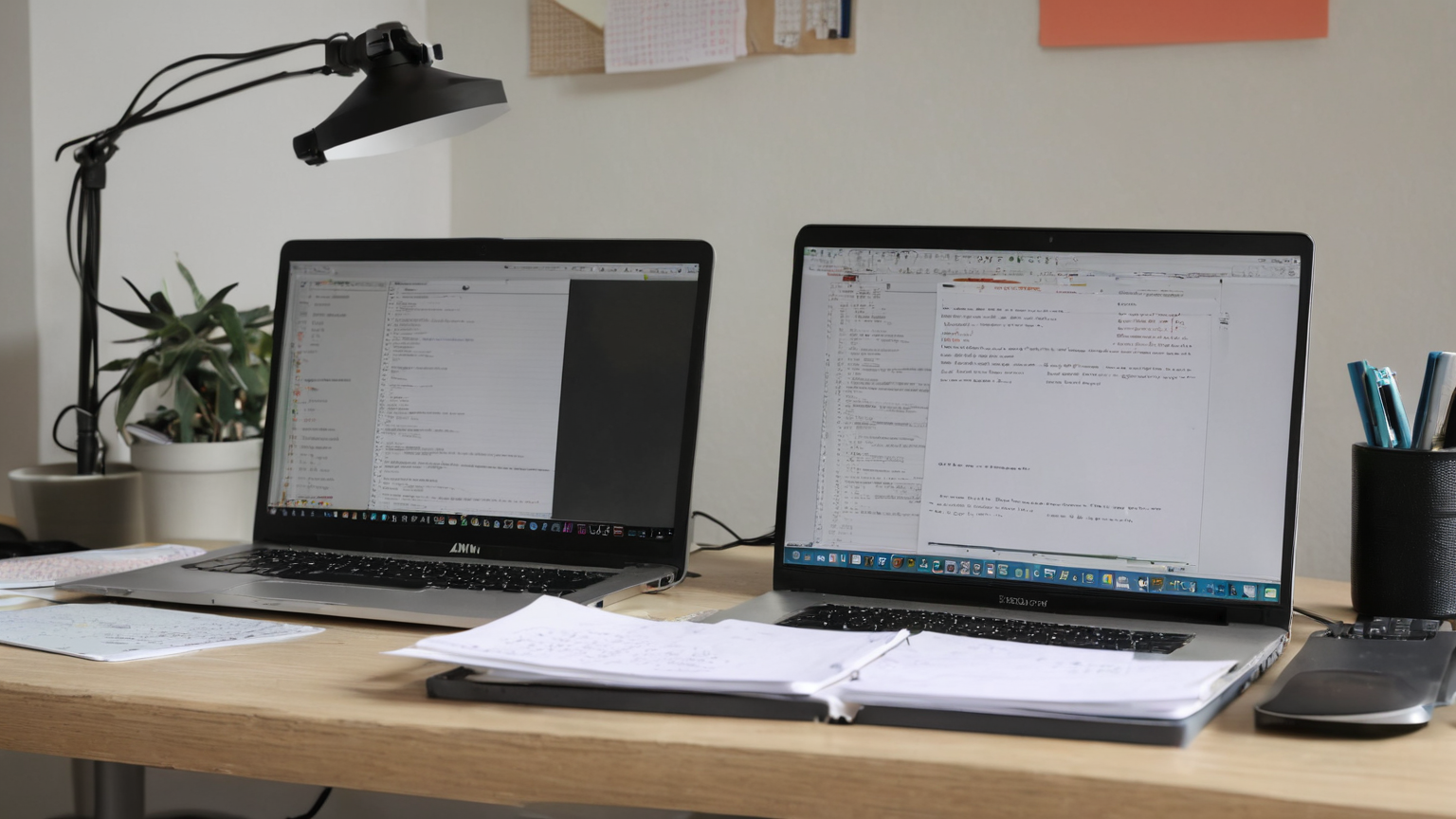
AI note tools can summarize lectures, rewrite textbook sections, generate quiz questions, and organize study plans. The risk is that they make studying feel productive while the learner does very little remembering. Retrieval practice works in the opposite direction: you close the notes, try to recall the idea, check what was missing, and repeat after time has passed. This guide combines both approaches so AI helps prepare practice instead of replacing it. Sources on retrieval practice, spacing, and responsible AI use were checked in May 2026.
The rule: AI can prepare prompts, not do the remembering
If your study session ends with a beautiful summary but no attempt to recall, you mostly practiced reading. Use AI to turn material into questions, examples, contrast pairs, and practice cases. Then hide the answer and retrieve from memory. The uncomfortable pause is the useful part.

| Study action | Passive version | Retrieval version |
|---|---|---|
| Reading notes | Highlight again | Close notes and list key ideas |
| AI summary | Save and move on | Convert summary into questions |
| Flashcards | Flip immediately | Answer first, then check |
| Practice test | Treat score as identity | Treat errors as the next plan |
| Group study | Re-read together | Explain without looking |
A 45-minute workflow
Start with ten minutes of source review. Read the textbook section, lecture notes, lab manual, or official material. Ask AI for a short question set only after you know what the source actually says. Spend twenty minutes answering from memory without looking. Use a notebook or blank document, not a polished notes app. Spend ten minutes checking against the source. Use the final five minutes to schedule the next review.
Prompt AI for better practice
Ask for questions that require explanation, comparison, and application. Weak prompt: “Summarize chapter four.” Better prompt: “Create ten short-answer questions from these notes. Mix definition, comparison, cause-and-effect, and one real example. Put answers after a divider so I can hide them.” For math, coding, language learning, or science, ask for worked examples and then a similar problem without the solution.
Check for hallucinations and source drift
AI can invent details or smooth over uncertainty. For high-stakes study, always compare generated questions and answers against the assigned source, instructor rubric, or official documentation. If the tool adds claims not in the material, mark them as optional background or delete them. Do not memorize a confident error because the wording looked polished.
Spacing plan for one topic
Day one: learn the material and do a first retrieval set. Day two: answer the same questions from memory, then add two application questions. Day four or five: mix the topic with older topics. Day seven: take a short blank-page test. Before an exam: use mistakes, not page count, to choose what to review.

Troubleshooting
- If you cannot answer anything, the first pass was too shallow. Re-read a small section and try again.
- If flashcards feel too easy, convert definitions into examples and contrasts.
- If AI questions seem generic, paste a small source excerpt and specify the course level.
- If you keep missing the same idea, write why the wrong answer was tempting.
- If study time disappears into formatting, use plain text until after the test.
Bottom line
AI notes are useful when they create friction in the right place: questions, prompts, and examples that make you retrieve. The learning still happens when you answer before looking.