
Skills-First Portfolio Plan 2026: Turn Courses Into Career Evidence
Build a skills-first learning portfolio with gap maps, project evidence, micro-credentials, feedback loops, privacy safeguards, and weekly review.

Skills-first hiring sounds empowering, but it can feel vague when you are the learner. If employers say they care about skills, what should you actually show? A certificate? A course transcript? A GitHub repository? A case study? A dashboard? The safest answer is evidence: a focused portfolio that connects a target role, a skill gap, a learning plan, and a real output someone can review.
Start with one target role, not a pile of courses
A skills-first portfolio fails when it becomes a scrapbook. Before enrolling in another course, choose one target role or role family. “Data analyst in healthcare operations,” “junior project coordinator,” “customer success analyst,” or “instructional design assistant” is useful. “Better career” is too broad. A specific target lets you compare job descriptions, professional standards, and real tasks.
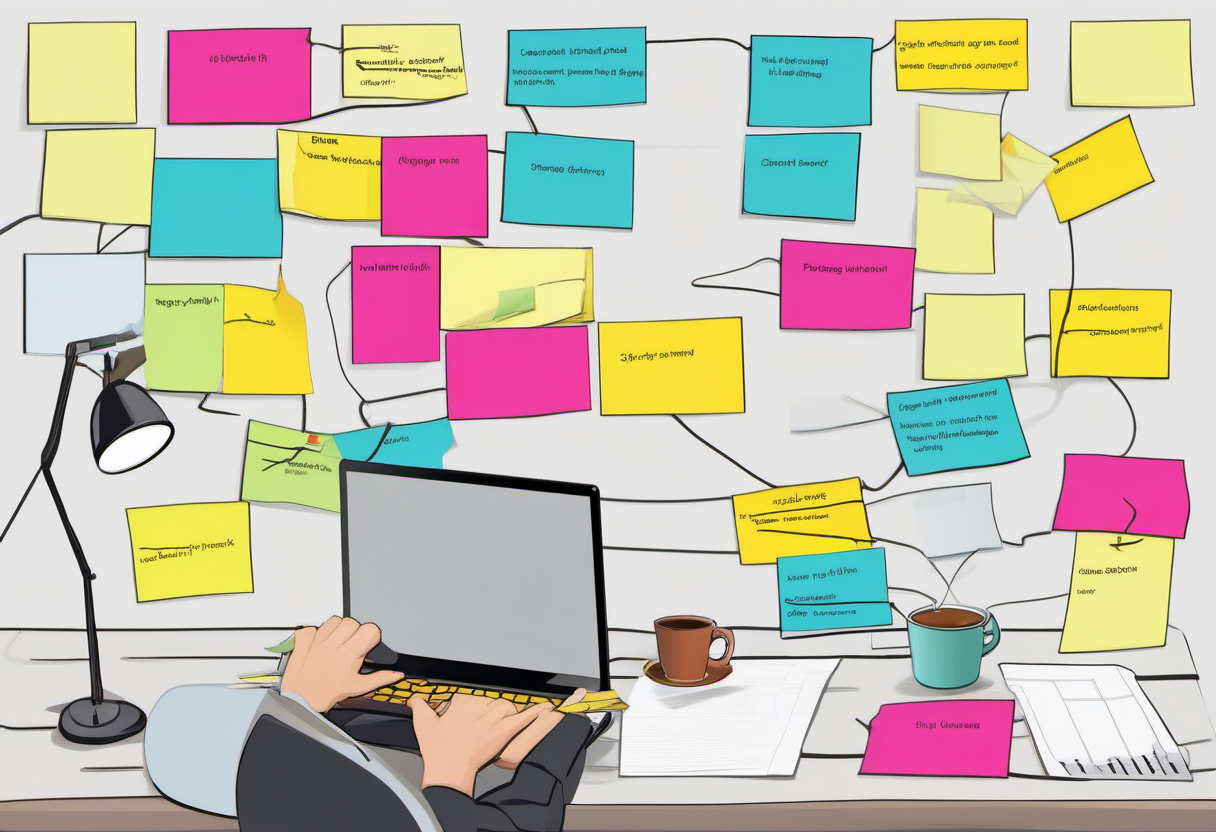
Collect ten to fifteen current job descriptions for the role. Do not copy them into a public portfolio; use them privately to identify repeated skills. Group requirements into technical skills, domain knowledge, communication, tools, judgment, and collaboration. Then mark each skill as already proven, partially learned, or missing. This gap map becomes the backbone of your learning plan.
Use authoritative sources to sanity-check the map. Labor market tools, O*NET, professional associations, certification bodies, and reputable employer resources can reveal whether a skill is a trend or a core expectation. A course platform may market a skill heavily because it sells well; job evidence tells you whether it belongs in your first portfolio.
Convert each skill gap into a project question
Courses teach inputs; portfolios show outputs. For each important gap, write a project question. Instead of “learn Excel,” write “Can I clean a messy dataset, summarize trends, and explain a decision to a nontechnical manager?” Instead of “learn project management,” write “Can I create a risk log, timeline, stakeholder update, and recovery plan for a delayed project?” The question forces the project to produce evidence.
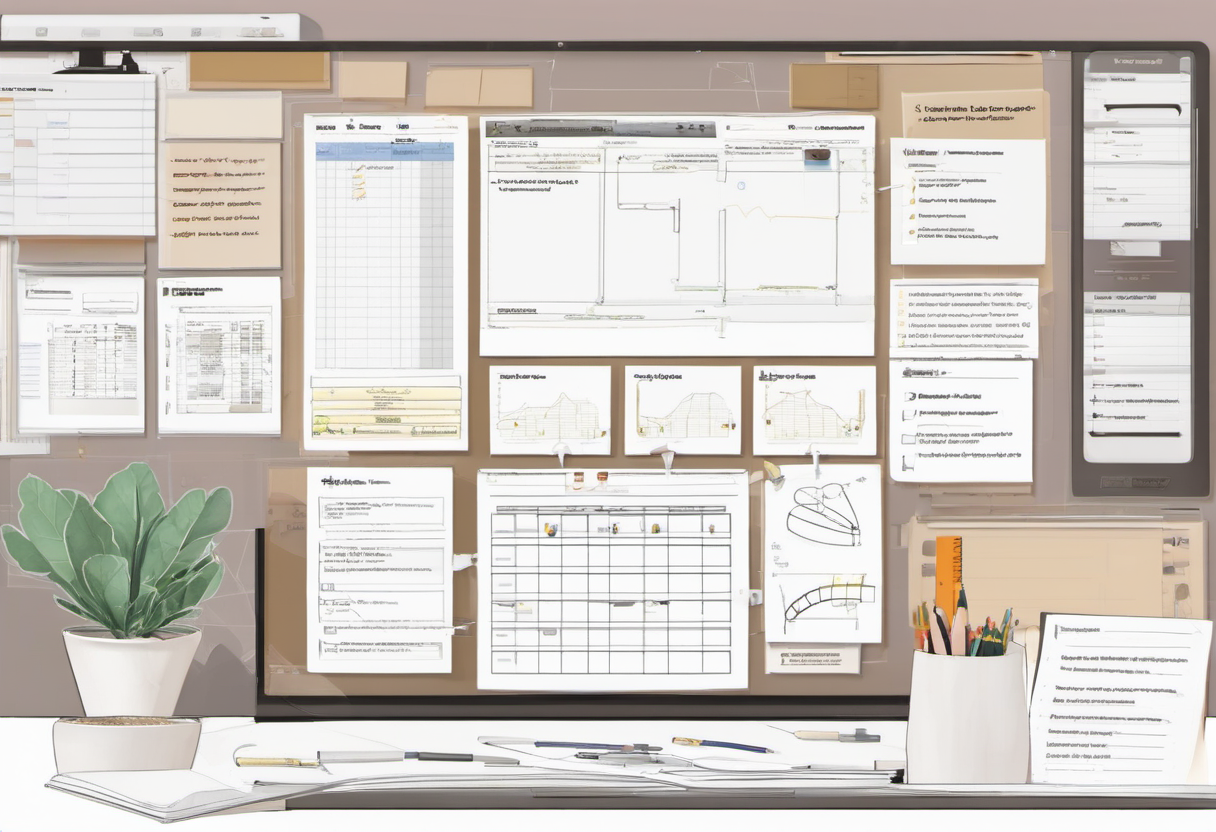
A strong beginner project is narrow enough to finish and realistic enough to discuss. It should include a problem, constraints, method, artifact, result, and reflection. For analytics, that might be a cleaned dataset, dashboard, and short memo. For operations, it might be a process map and improvement proposal. For teaching, it might be a lesson plan, assessment, and learner feedback. For customer success, it might be a churn-risk playbook and sample account review.
Avoid pretending you worked with confidential employer data. Use public datasets, simulated cases, anonymized personal projects, or volunteer work with permission. If you use AI tools for planning or feedback, disclose the workflow in your private notes and avoid submitting generated work as if it were independent evidence. The portfolio should prove your judgment, not your ability to paste prompts.
Choose credentials only when they strengthen the evidence
Micro-credentials and certificates can help when they are recognized, current, and aligned with the target role. They are weaker when they are collected randomly. Before paying for a credential, ask four questions: Do job descriptions name it? Does it teach a skill I need? Can I afford the time and money? Will I produce a project or assessment that supports the portfolio?
Some credentials are signals; others are structured learning plans. A cloud, cybersecurity, project management, teaching, or analytics certificate may be valuable in one market and irrelevant in another. Talk to people in the role, read hiring posts carefully, and compare the credential with alternatives. If a credential is not required, a strong project may produce more interview value than another badge.
Keep credentials in context. In your portfolio, do not simply list course names. Add one sentence explaining what the credential helped you do: “Used the course to build a SQL cleaning workflow and document data quality checks.” This turns a passive badge into evidence of application.
Build a portfolio page around reviewer questions
A busy reviewer wants to know what you can do, how you think, and whether your work is trustworthy. Structure each project page with a short summary, the problem, your role, tools used, constraints, process, final artifact, what you learned, and what you would improve. If the project is visual, show screenshots or diagrams. If it is analytical, include a readable memo. If it is writing, include the audience and goal.
Keep the first portfolio small. One excellent project is better than six shallow course exercises. Two or three projects can show range, but each should map to a target skill. A case study that says “I followed a tutorial” is weak. A case study that says “I adapted a tutorial to a messy scenario, made tradeoffs, tested the result, and explained limitations” is stronger.
Protect privacy. Remove client names, employer data, student records, patient details, internal documents, and anything covered by policy or law. If you cannot share the artifact, write a sanitized process summary and show a mock version. Employers value discretion. A portfolio that leaks sensitive information is negative evidence, even if the design looks polished.

Use feedback before public sharing
Do not wait until the portfolio is perfect, but do not publish the first draft without review. Ask a mentor, peer, instructor, or professional community to answer three questions: Is the target role clear? Does the project prove the stated skill? What is confusing or unsupported? Specific feedback is more valuable than general encouragement.
Create a feedback log. Record the comment, whether you accepted it, and what changed. This habit helps you explain your learning process in interviews. It also prevents endless redesign. If three people say the same section is unclear, fix it. If one person dislikes the color palette but understands the evidence, do not rebuild the whole site.
AI can help with critique, but it should not be the only reviewer. Ask it to check clarity, missing assumptions, and alignment with a rubric, then verify suggestions against human judgment and role expectations. If the AI invents requirements or flatters weak work, tighten the prompt or discard the response. Your portfolio should become more accurate, not merely more polished.
Create a weekly skills-first learning loop
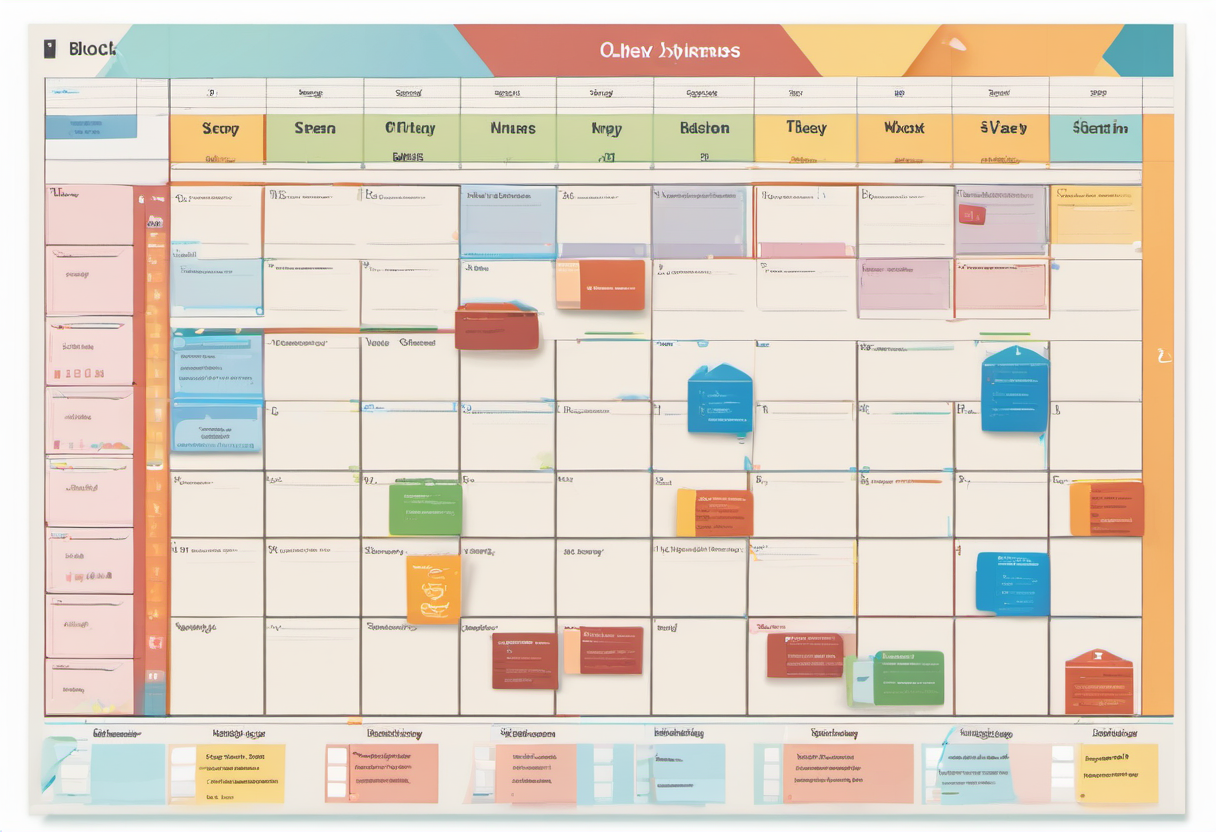
A portfolio improves through a loop: choose one skill, study the minimum needed, build a small artifact, get feedback, revise, and document the result. Schedule this loop weekly. Monday: choose the project task. Tuesday and Wednesday: learn and practice. Thursday: build. Friday: review and write notes. Weekend: revise or rest. The exact days can change, but the sequence should not.
Use retrieval practice for knowledge and project practice for transfer. Flashcards can help with terminology, formulas, commands, or frameworks, but they do not prove workplace performance by themselves. Pair them with a scenario. If you learn stakeholder analysis, create a stakeholder map for a simulated project. If you learn SQL joins, write a short memo explaining how wrong joins could distort a business metric.
Track evidence, not hours. Hours studied are useful for discipline, but portfolio progress should be measured by artifacts finished, feedback received, errors corrected, and skills demonstrated independently. A learner who spends ten hours watching videos may have less evidence than one who spends four hours building and revising a concrete project.
Prepare the interview story as you build
A portfolio is not only a link; it is interview preparation. For each project, write a short story using situation, task, action, result, and reflection. What problem were you solving? What tradeoff did you face? What did you try first? What failed? What evidence improved? What would you do differently with more time or real organizational data?
Practice explaining the project without reading the page. If you cannot describe your own work clearly, the portfolio is doing too much of the talking. Record a two-minute explanation and listen for vague phrases. Replace “I learned a lot” with “I learned that missing values changed the trend, so I added a data-quality note and revised the chart.” Specificity builds trust.
Also prepare boundary statements. If a project used public data, say so. If it was simulated, say so. If AI helped generate practice questions or critique the outline, explain how you maintained ownership. Honest boundaries make the work more credible and protect you from overstating experience.
Final checklist before publishing
Your first skills-first portfolio is ready when the target role is visible, each project maps to a real skill, artifacts are accessible, private data is removed, credentials are contextualized, feedback has been incorporated, and the interview story is clear. The design should be clean, but evidence should lead. A beautiful page with vague claims is weaker than a simple page with credible work.
Keep the portfolio alive. Review it monthly while actively searching and quarterly when employed. Remove outdated projects, add stronger evidence, and update skills as the target role changes. Skills-first hiring rewards proof, but proof must be maintained. Turn courses into projects, projects into stories, and stories into decisions a reviewer can trust.